
One Model. One Truth. Zero Interpretation.
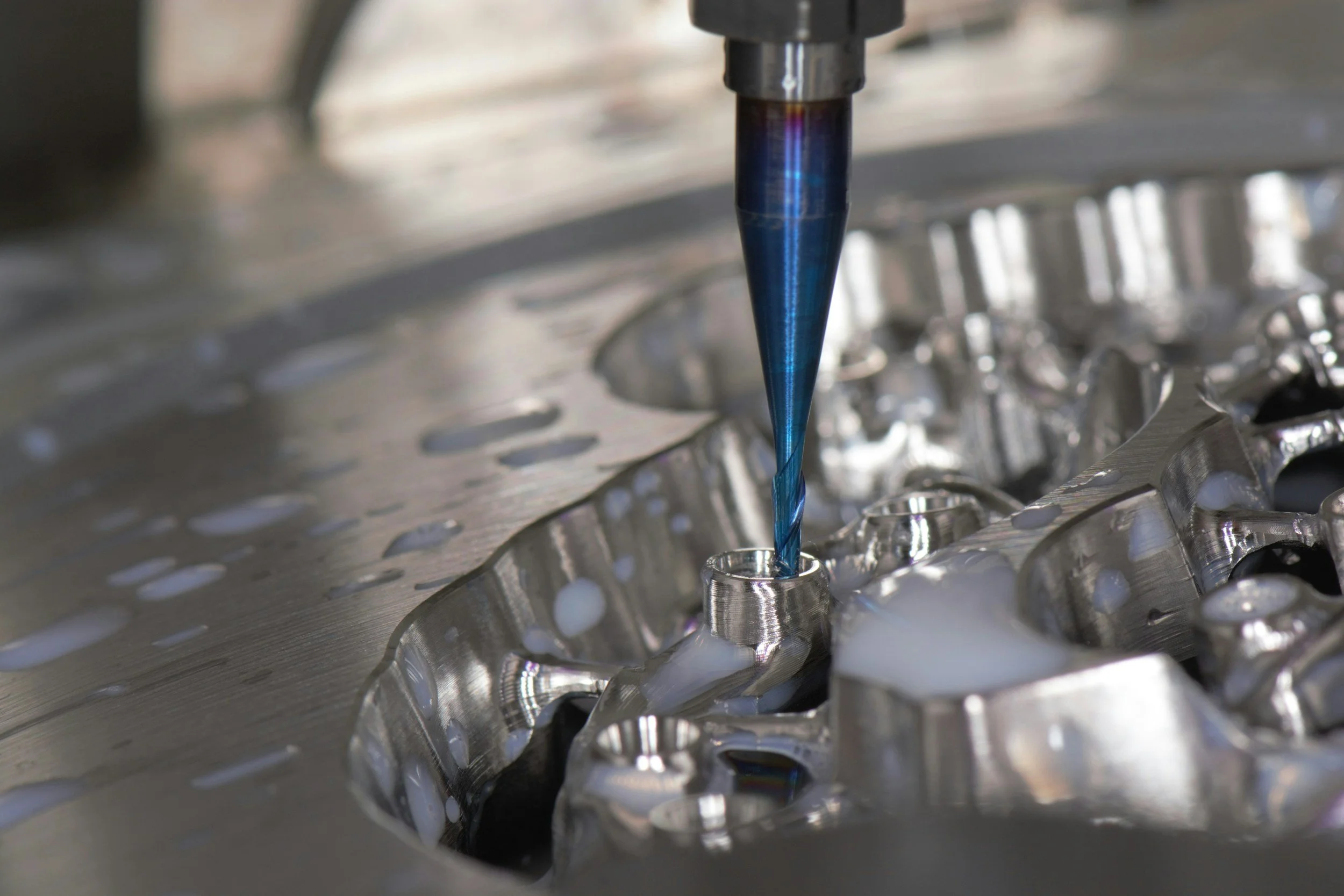
The Model Is Becoming the Document
There's a familiar kind of problem in engineering. The 3D model says one thing. The drawing says something slightly different. Someone has to decide which one to trust — and whatever they choose, someone else will question it later.
Onshape's latest update introduces integrated Model Based Definition (MBD), and it's a direct response to that problem.
What MBD Actually Means
Since 3D CAD became standard, engineering teams have effectively been maintaining two documents for every part: the model controlling geometry, and the drawing controlling intent — tolerances, finishes, manufacturing notes, critical dimensions. MBD changes that relationship. Product Manufacturing Information (PMI) is embedded directly into the model, making it the single authoritative source of product definition.
When you're defining sealing geometry for cryogenic operation at -253°C, or specifying wall tolerances in a compact valve body where every millimetre changes the flow performance, having that information embedded in the model rather than interpreted from a separate drawing isn't just cleaner — it's materially safer.
Why This Fits How We Already Work
One of the reasons we moved to Onshape was the principle of a single live model — available to the whole team and our clients at all times, with no risk of version drift. MBD is a natural extension of that thinking.
When critical data is split across two places, that gap is where errors live. A tolerance misread from a drawing. A revision made to the model but not reflected in the document. A supplier interpreting an ambiguous note in a way that makes sense to them but not to the design intent. MBD consolidates more of that data into one controlled space and closes that gap.
Standards like STEP AP242 are built to carry 3D PMI cleanly between systems, which means CAM, inspection and PLM tools can read the model directly. Less manual reinterpretation. Less friction across the supply chain.
The Human in the Loop
As automation increases across manufacturing, the quality of product definition becomes more consequential, not less. Automation amplifies whatever data it's given. If the intent is unclear, the output reflects that — at scale, and at cost.
MBD doesn't reduce the engineer's role. It concentrates it. The engineer's job is to define intent clearly and completely. MBD just ensures that definition lives in one place, travels with the model, and can't be separated from the geometry it describes.
Drawings Aren't Going Away
They remain the industry standard, and we continue to produce them to the required specifications. In many situations they're entirely necessary, and that won't change overnight.
But the centre of gravity in product definition is shifting. As that shift continues, our job is to make sure our clients are ready for it — not catching up to it.
How We're Preparing
That readiness isn't just about adopting a new Onshape feature. It means function-driven model definition — embedding engineering intent from the start, so the model carries the responsibility MBD places on it. It means supply chain engagement — understanding how our clients' suppliers and downstream tools will read that data, and optimising for it. It means structured PMI review — applying the same discipline we bring to drawing checks to embedded model information. And it means team capability — making sure every engineer at Sketch understands not just how to use the tools, but why the discipline behind them matters.
MBD only improves clarity if the engineering intent behind it is clear to begin with.
Drawings may remain. But the document is becoming the model. We intend to be ready.
Sketch Design Consultancy — Mechanical engineering built around clarity.
Written by Luke Davis